

The world is changing fast, thanks to emerging technologies that are changing the way we live and work.
Smart devices, artificial intelligence (AI), blockchain, and virtual reality are just some of the new ideas challenging traditional thinking and older technologies.
These emerging technologies are having a significant impact on all industries and all areas of our life, from healthcare to manufacturing and creativity to education.
So what do these developments mean for your future?
To help you navigate this fast-changing landscape, here are six emerging technologies that will change (or are already changing) the world!
What emerging technologies are changing the world?
- Augmented reality (AR)
- Artificial intelligence (AI)
- Blockchain
- Virtual reality (VR)
- Robotics and automation
- Biotechnology
1. Augmented reality
Augmented reality (AR) is the superimposition of digital information and images over the real world. With technology like AR glasses and virtual reality headsets, you can interact with the world around you in new ways.
AR has numerous applications, including education, tourism, work, and entertainment. It has been around for several years, but it’s only now gaining mainstream momentum.
You might remember a little app called Pokemon Go, which launched to phenomenal success recently – tens of millions of players worldwide! Well, the whole concept of the app is built around augmented reality.
The benefits of AR include increased productivity, immersion, efficiency and – in some ways – knowledge. AR is already providing businesses and people with new ways to interact with each other. It could also enable remote workers to collaborate more easily and effectively in future.
2. Artificial intelligence
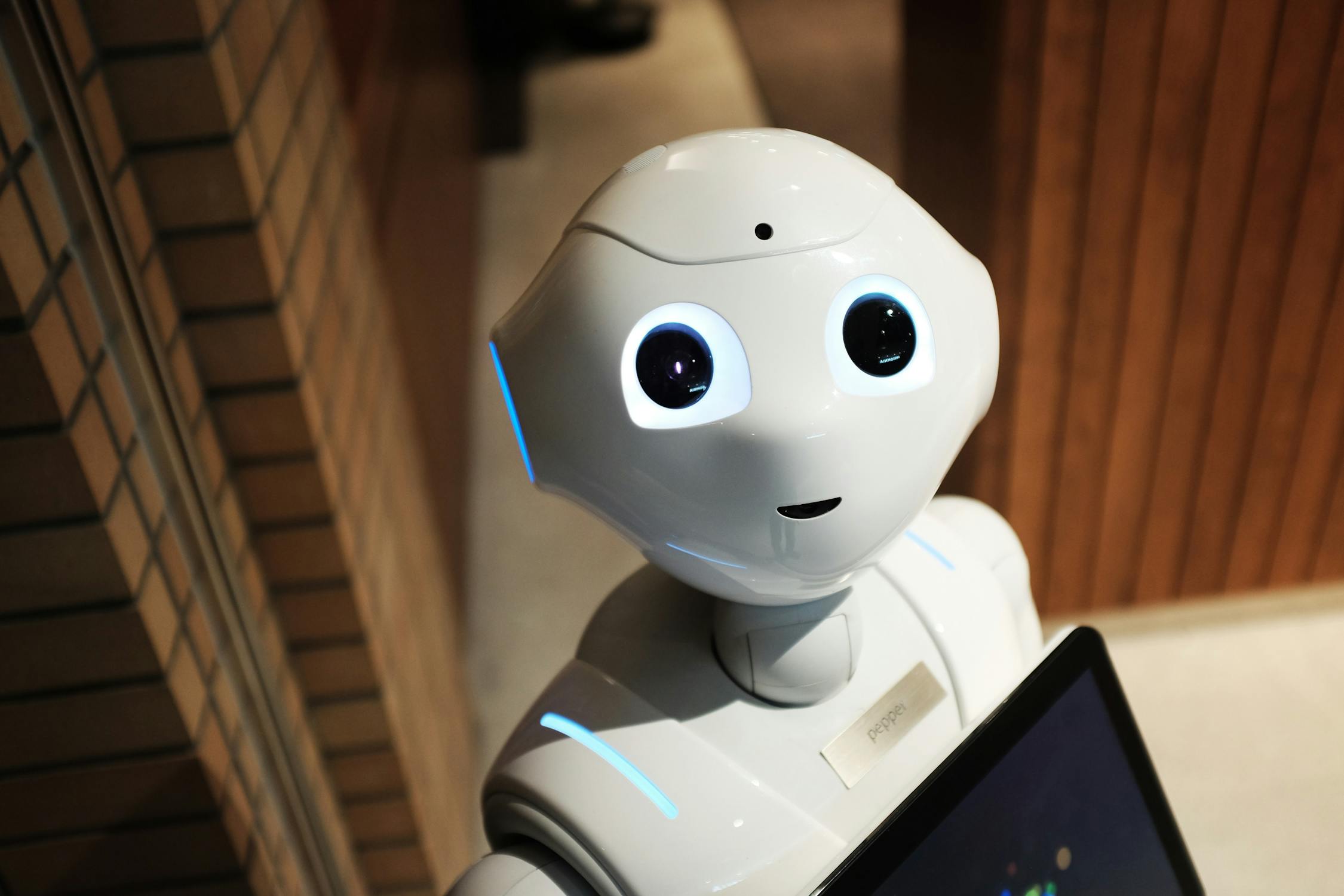
Artificial intelligence (AI) is intelligence exhibited by machines. It’s a type of computer technology that’s programmed to learn, make decisions, and change course as necessary.
AI is more than just algorithms and data – it’s about using machines to make decisions based on information and context. AI is expected to eventually disrupt every industry, including healthcare, manufacturing, transportation, and financial services.
AI is used to make businesses more efficient, accurate, and affordable and is designed to mimic human behaviour and make routine tasks much easier to complete.
AI can be used in virtually every industry, from marketing and recruitment to healthcare and manufacturing.
3. Blockchain
Blockchain is a distributed ledger that records transactions. A growing number of businesses are expected to adopt blockchain technology in the coming years. It’s a decentralised record of transactions that uses encryption to secure the system.
Blockchain is commonly used in cryptocurrency, but it has many potential applications beyond this industry. Businesses use blockchain to keep track of their inventory, manage supply chains, and record financial transactions.
It enables two or more parties to create an unchangeable record of their transactions. These transactions are then recorded on a shared digital ledger.
If it sounds complicated, it’s because it is. But don’t worry, blockchain technology has not yet found its way into every industry. This one is more of an emerging technology at the moment!
4. Virtual reality
Virtual reality (VR) is a computer-generated simulation of a real-world environment or a virtual world. VR headsets allow you to interact with virtual and holographic images, sounds, and other sensations.
The technology has been used in training, education and medical applications. In recent years, it’s become a popular technology for entertainment and gaming.
VR is expected to have a significant impact on the media and entertainment industries in the near future. In a way, it already is. The only issue at the moment is VR headsets are quite expensive.
Virtual reality can be used to create immersive experiences, and sometimes even worlds, that can’t be replicated in real life. VR can be used for education, gaming, entertainment, and more, and it’s expected to become even more popular as prices decrease.
5. Robotics and automation
Robotics and automation are technologies that are expected to change the world. Industries that rely heavily on manual labour, like agriculture, construction, and manufacturing, are already seeing benefits.
Automation and robotics can be used to replace human labour or, more commonly, to enhance or support human labour. Industries at risk of automation include healthcare, transportation, and construction.

6. Biotechnology
Biotechnology is the use of biological organisms, cells, and microorganisms to create goods and services.
Biotechnology can help solve many problems, including food and water shortages. It can also be used in medical research to create new drugs and treatments. Industries that could benefit from biotechnology include agriculture, food, and health.
Biotechnology is expected to change the world by improving the way we live and the products we use and this industry is expected to continue growing and create many new opportunities.
The future
Although new and emerging technologies come with challenges, they certainly offer new opportunities. By learning more about emerging technologies, you can prepare yourself for the future and find ways to contribute to positive change.
Businesses heavily rely on emerging technologies to stay competitive and scale, so it’s no surprise that they invest a lot of time in understanding them.
If you want to learn more about how digital technologies impact business and also the ethical and moral implications of digital technology, explore our new Digital Production, Design and Development T Level course.