


If you’re thinking about forging new foundations in the world of technology and are weighing up your options, becoming a software engineer might be the way forward for you.
While it may seem daunting, with enough focus and determination you’ll be able to get on the ladder towards a software engineer career.
It’s a rewarding and lucrative career with no signs of slowing down – software engineers are in high demand, and the industry is going from strength to strength throughout the UK and the rest of the world.
One of the best parts about becoming a software engineer for many is the fact that, over time, you’re able to work for some of the biggest names in tech, and there’s also the added bonus of remote working. Flexibility is a big part of the attraction as you are able to find employed, agency or freelance work almost anywhere.
What is a software engineer?
A software engineer, sometimes also referred to as a developer, is someone with a background in computer science, programming or digital design and development.
In addition, they typically have an affinity for coding languages, which are used to develop software and networks. There are various types of coding languages to learn, depending on what type of software engineer you want to become.
Common programming languages that are used today are C++, Java and Python – each has its own use – and there are other languages that are used to develop databases, such as SQL and its numerous variations.
Maybe you want to focus on web-based applications and build out your skill set in JavaScript. Or you’re looking to develop the next mobile application and will learn coding languages such as Laravel.
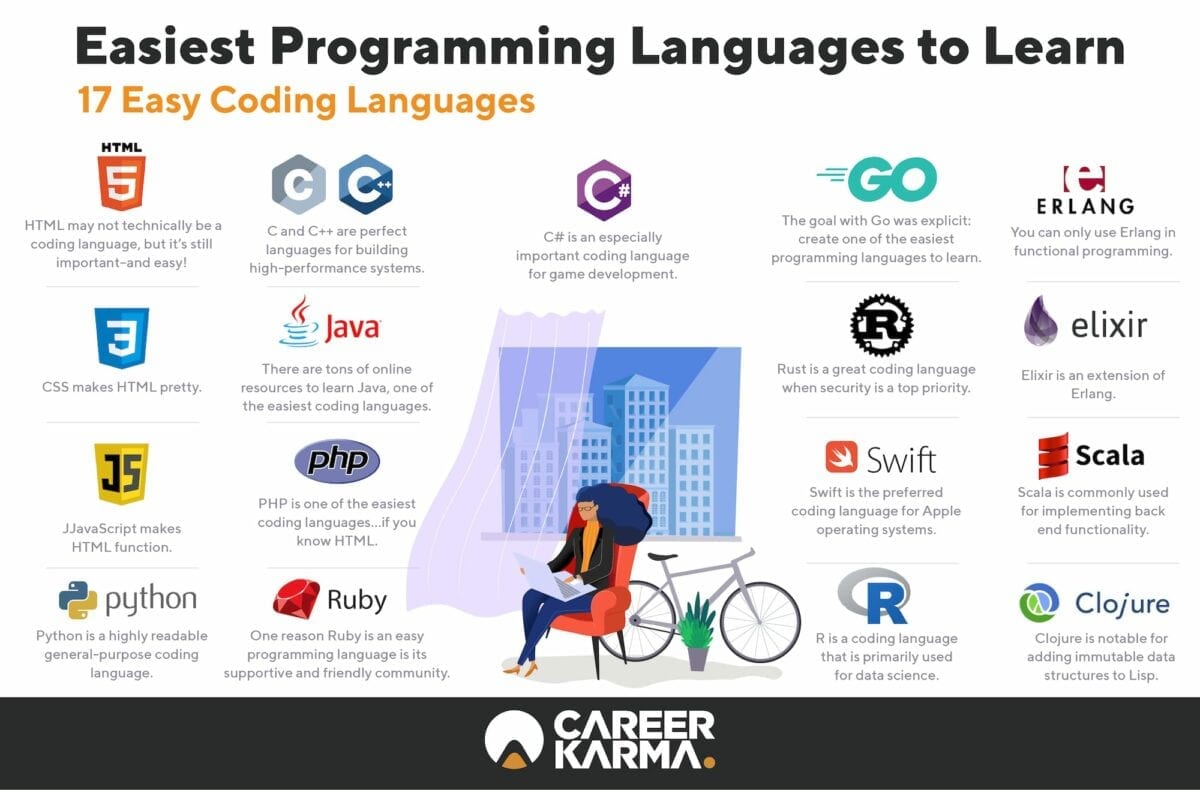
Source: Career Karma
Other types of software engineer positions focus on network and hardware solutions architecture to ensure that whatever systems are developed or connected are working properly and are also protected through cybersecurity tactics.
These might seem like some daunting terms for unfamiliar things, but a course in development or software engineering teaches you the fundamentals step by step, so it won’t be overwhelming when you’re planning your route into the industry.
On that note, there are so many routes that you can take. Despite what people tell you, you can become a software engineer without a degree.
It’s a field that continues to evolve at a faster pace than software engineers can be trained. That means there won’t be any issues when it comes to job security or career options, as there’s always something ahead of you.
Another great thing about becoming a software engineer is you can work in almost any industry, from working at an innovative new tech startup to financial and healthcare services or working for government agencies, there’s no shortage of businesses that need software developers.
What skills are required from software engineers to be successful?
While a background in computer science isn’t always necessary, an understanding of coding languages or a specialism in at least one is vital. There are also a handful of other skills needed to be successful as a software engineer.
Problem-solving is a big one. Besides developing code for new products, you will often need to find solutions to complex problems that are of a technical nature. Software engineers need to be able to think logically and systemically while they analyse the problem to come up with the most effective solution.
Software engineers need to work in a collaborative environment, too. That means working with a team, whether it’s other software engineers, product managers, or even clients. Engineers need to be able to communicate effectively and explain what they’re doing so that others can help support their work and provide feedback.
They’ll also need to have strong organisational skills and great attention to detail. After all, they are writing code, and the more concise and readable the code is, the easier it is for more than one engineer to work on it, speeding up the process.
There’s also a need for software engineers to be precise and understand the code so that they are able to find any errors in it and be able to fix them. Part of the responsibility is to have well-documented code and flows for others to work with.
Time management skills are important, too, so you know how long certain tasks should take. More experienced engineers will know how long their project should take and that helps allocate the right amount of resources to get it done. This type of planning is necessary, especially with much more complex tasks that can result in software engineers spending too much time on any task. You know what they say…time is money!
Another area that software engineers need to be focused on is current trends and emerging technologies, being able to adapt to whatever comes along next. Technology is always changing and a software engineer that grows with the changes will always have a fruitful career.

How much money can software engineers make?
The salary, for many, is just as important as the type of work. Fortunately for software engineers, the salaries on offer are some of the highest out there.
Even junior developers with a year or two of experience can get quite a decent salary, upwards of £50,000 per year.
Depending on your location and industry, this can easily grow from £75,000 to six figures after just a few years.
How to become a software engineer
The route into a role in software development can make it such an amazing field to consider a career in. While many positions out there may require a more traditional educational route, becoming a software engineer is a bit more fluid.
Apprenticeships
There are numerous apprenticeships on offer that can help you train to become a software engineer. Typically the apprenticeship is a paid position and many firms offer this to get software engineers on board early on.
T Levels
Yes, there are software engineer qualifications now through the government’s new T level scheme as it is a technical and in-demand field. They are similar to an apprenticeship, but also provide more pathways for those looking to become a software engineer, but not entirely sure what direction they want to go in. Check out our Digital Design and Development T level for more information.
University
Finally, you can become a software engineer by obtaining a degree. Though there are a few steps before joining a uni course, if you’re without the experience an apprenticeship or a T Level offers, a degree might be your best route into the industry, and one of the most traditional ways to get your foot in the door.
While the role of a software engineer might seem overwhelming at first, it really only takes a combination of organisation, collaboration, discipline and an analytical mind to become one.
Anyone with a passion for technology who is willing to put in the effort will be rewarded with fulfilling job prospects and a bright future.