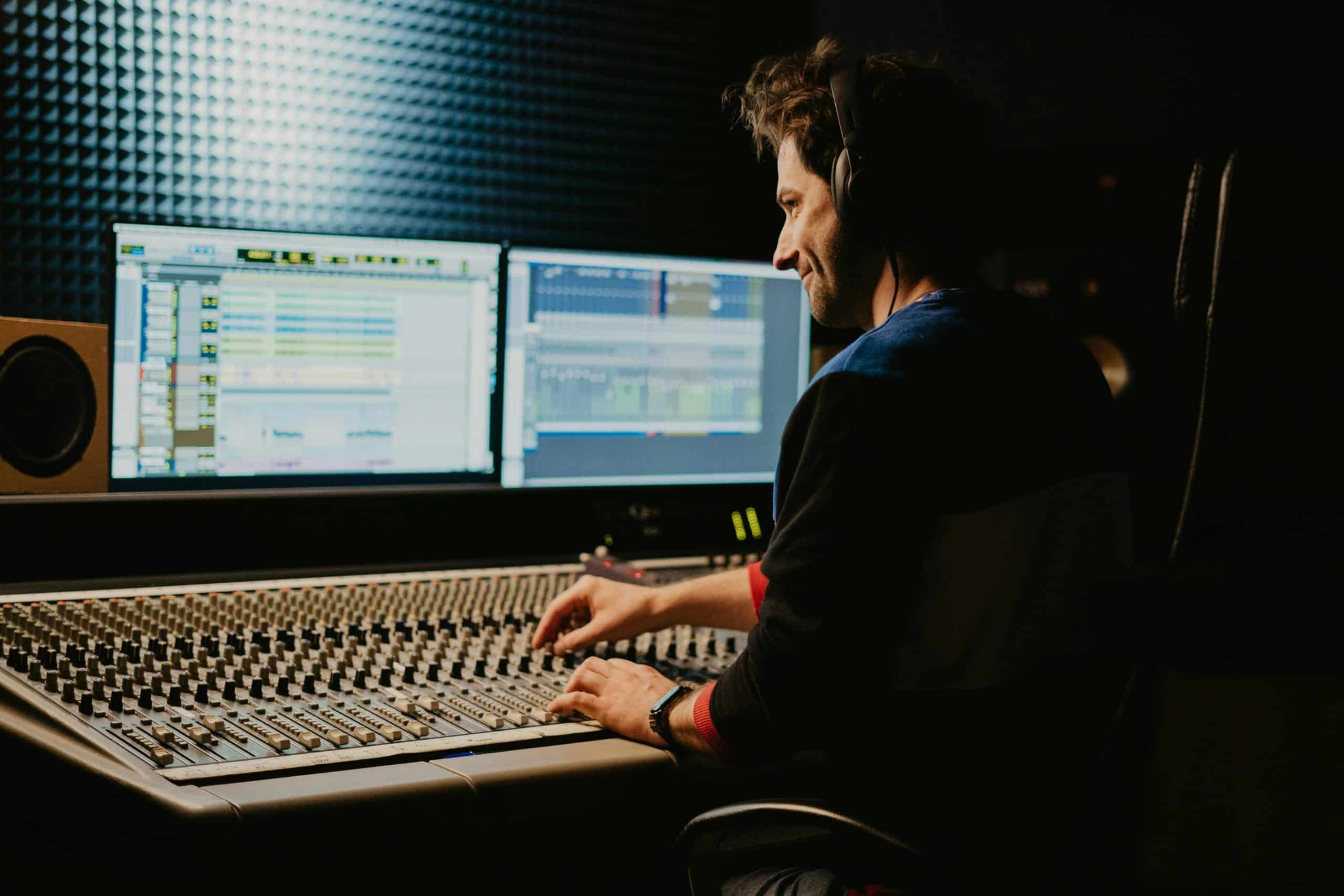
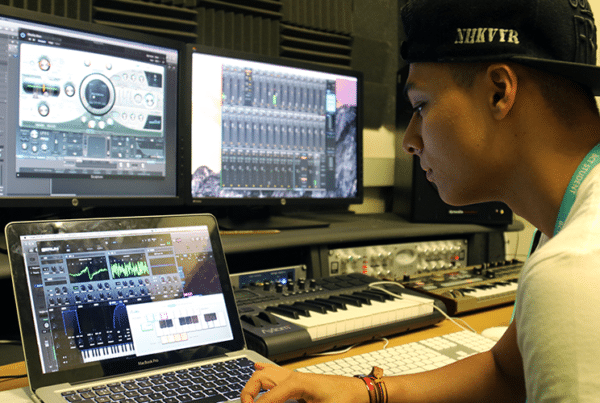
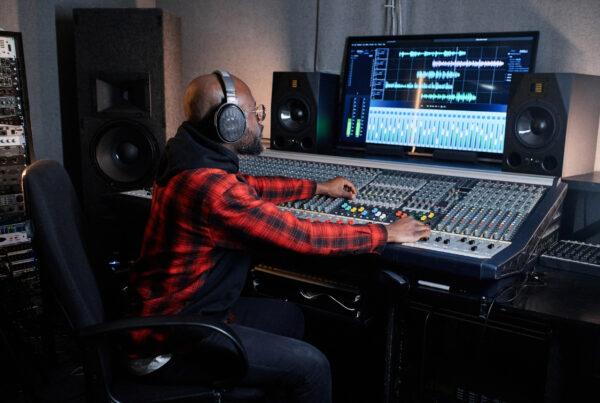
Choosing the right Digital Audio Workstation (DAW) is a crucial first step for anyone looking to dive into music production. DAW for music production allows you to record, edit, mix and produce audio, it is the backbone of all music creation. For beginners, selecting a user-friendly and affordable DAW can have a significant impact on your learning curve and overall experience. In this article, we will dive into the basics of DAWs, why beginners need one suited to them, and which options are worth considering.
What is a DAW and Why Do Beginners Need the Right One?
Pro tools and music production software like DAWs act as a virtual studio where you can arrange sounds, apply effects, mix and master complete songs. Think of a DAW as your virtual studio to optimise your music production. The right music production software should be easy to use, have a supportive community, and offer features that encourage creativity without overwhelming you. For beginners, this combination can make all the difference in learning and experimenting freely.
Top 5 DAWs for Beginners
Here’s a look at the best DAW for beginners that are popular, each offering unique advantages to make your start in music production smooth and inspiring.
1. Ableton Live Lite: Ideal for Live Performances
Ableton Live Lite, a streamlined version of Ableton Live, is a great starting point for beginners who want a DAW that works well for both studio production and live performances. The interface is straightforward, making it easy to explore without feeling overwhelmed. With a focus on real-time music creation, Live Lite allows you to experiment and trigger audio clips on the fly, making it perfect for those who want to incorporate live performance into their music-making process. Although it has fewer audio and MIDI tracks than the full version, its ease of use and active community support make it a strong choice for newcomers.
Why It’s Suitable for Beginners:
Ableton Live Lite’s intuitive design and strong focus on live performance make it an excellent choice for newcomers eager to experiment with creating music in real-time.
2. FL Studio: A Beat-Maker’s Favourite
FL Studio is particularly popular with beginners who are interested in beat-making and electronic music production. Its step sequencer and piano roll are known for simplifying the beat-making process, allowing you to produce tracks quickly. FL Studio’s interface is accessible, so new users can jump right into creating without a steep learning curve. One big perk is its lifetime free updates, ensuring you’ll always have the latest features. Though it has some limitations for advanced audio recording, it’s a fantastic choice for beginners focused on creating beats and electronic music.
Why It’s Suitable for Beginners:
FL Studio’s focus on beat-making and electronic music makes it an attractive option for those looking to produce tracks quickly and effectively without getting bogged down by complex features.
3. GarageBand: Perfect for Mac Users
For those in the Apple ecosystem, GarageBand is a fantastic, free entry point into music production. This DAW is user-friendly, with a simple layout that helps beginners jump right in. GarageBand also comes loaded with loops and virtual instruments to encourage experimentation and creativity from the start. While it’s only available for Mac users and lacks some advanced features, GarageBand provides an intuitive, cost-free introduction to music production for beginners eager to start creating.
Why It’s Suitable for Beginners:
GarageBand offers a simple, free introduction to music production with a plethora of tools and sounds, making it easy for new users to start creating right away.
4. Reaper: Affordable and Highly Customisable
Reaper stands out as an affordable DAW that’s highly customisable, making it a popular choice among beginners who want flexibility in their workspace. Although Reaper offers a full set of features at a low cost, it does come with a steeper learning curve than some other beginner options, making it better suited for those who are comfortable with technology or have some experience with DAWs. If you’re willing to invest time learning, Reaper’s adaptability and extensive plug-in support provide a powerful platform to explore.
Why It’s Suitable for Beginners:
While it may have a steeper learning curve, Reaper’s flexibility and affordability make it an attractive option for beginners who are serious about diving deeper into music production.
5. Logic Pro: A Professional-Grade Option for Mac Users
Logic Pro offers a comprehensive suite of tools for music production, designed specifically for Mac users making it a great option as a DAW for music production. It’s ideal for beginners who are ready to invest in a professional-grade tool they can grow into over time. Logic Pro provides everything from recording to mixing in a seamless environment, integrating perfectly with other Apple products. Although it requires a higher upfront investment, Logic Pro’s extensive sound library and polished interface make it a strong choice for those serious about progressing in music production.
Why It’s Suitable for Beginners
Logic Pro offers a robust platform for those ready to dive into serious music production, making it ideal for beginners who want to grow their skills without switching software later on.
Key Features to Look for in a Beginner-Friendly DAW
When selecting the right DAW, beginners should prioritise the following features:
User-Friendly Interface: A clean and intuitive layout will make navigating the software much easier.
Built-in Tutorials: Many DAWs include tutorials or guides that help new users learn the basics.
Cost: Look for DAWs that offer free versions or trials to start experimenting without financial pressure.
Plug-in Support: Third-party plug-in compatibility provides flexibility as you progress in your music production journey.
Sound Libraries: A rich library of sounds and loops can inspire creativity and make your DAW more versatile.
Why Mastering a Digital Audio Workstation is Crucial for Music Production Success
Mastering a DAW is a fundamental step for anyone looking to bring musical ideas to life. Understanding the basics of recording, arranging, and mixing will provide the foundation you need to create high-quality tracks. As you develop your skills, a solid grasp of your DAW will also encourage you to experiment with different sounds and techniques, helping you to find your unique style.
How BCE’s Music Production Course Can Help You Master a DAW
BCE’s music production course offers a comprehensive pathway to mastering a DAW effectively. Through hands-on experience with industry-standard tools, students learn to navigate their chosen DAW and gain practical skills necessary for a successful career in music production. With expert instruction and a structured curriculum, BCE equips aspiring producers with the knowledge and confidence to thrive in the music industry.
Starting your journey into music production is exciting, and with the right DAW and training, you’ll be well on your way to creating the sounds that resonate with you. Explore BCE’s music production course today and take the first step toward becoming a successful music producer!
To provide the best experiences, we use technologies like cookies to store and/or access device information. Consenting to these technologies will allow us to process data such as browsing behaviour or unique IDs on this site.
Functional
Always active
The technical storage or access is strictly necessary for the legitimate purpose of enabling the use of a specific service explicitly requested by the subscriber or user, or for the sole purpose of carrying out the transmission of a communication over an electronic communications network.
Preferences
The technical storage or access is necessary for the legitimate purpose of storing preferences that are not requested by the subscriber or user.
Statistics
The technical storage or access that is used exclusively for statistical purposes.The technical storage or access that is used exclusively for anonymous statistical purposes. Without a subpoena, voluntary compliance on the part of your Internet Service Provider, or additional records from a third party, information stored or retrieved for this purpose alone cannot usually be used to identify you.
Marketing
The technical storage or access is required to create user profiles to send advertising, or to track the user on a website or across several websites for similar marketing purposes.