
This month, Big Creative Education welcomed a diverse mix of industry partners, alumni and staff for its latest Employers Steering Group, this time dedicated to the Visual Arts. These sessions have become an essential part of how BCE designs and evolves its creative programmes, ensuring that what students learn is firmly rooted in real industry practice and emerging trends.
Representatives from across the creative industries joined us, with Emma Richards and Sophie Whittle from URBN (Urban Outfitters), Ed Clark of Adventure Stories and Jude Winstanley, a freelance line producer currently working with Amazon Studios. Academic leads and tutors from BCA also joined in on the roundtables to share what they see in the classroom and hear directly from employers about the realities of the workplace.
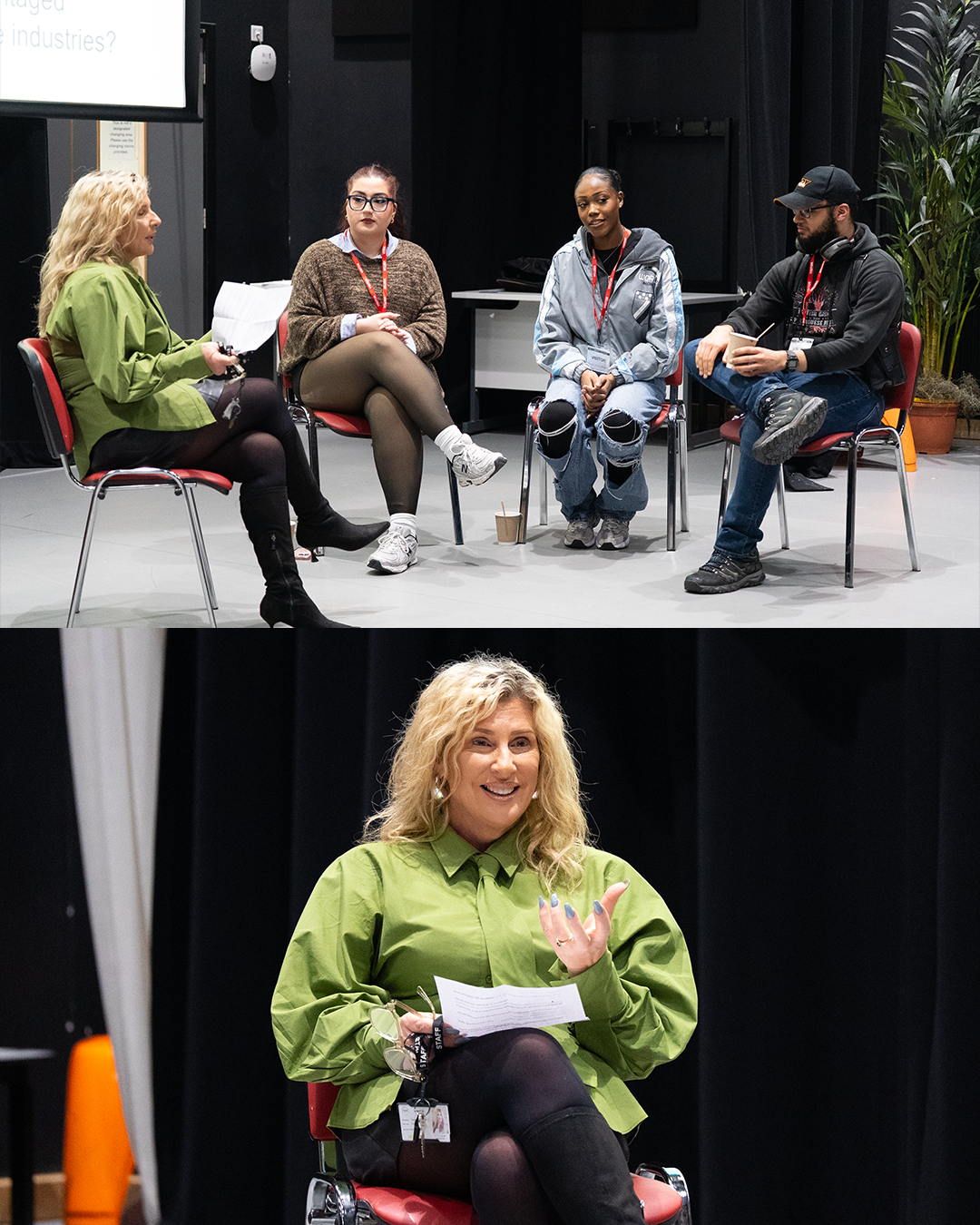
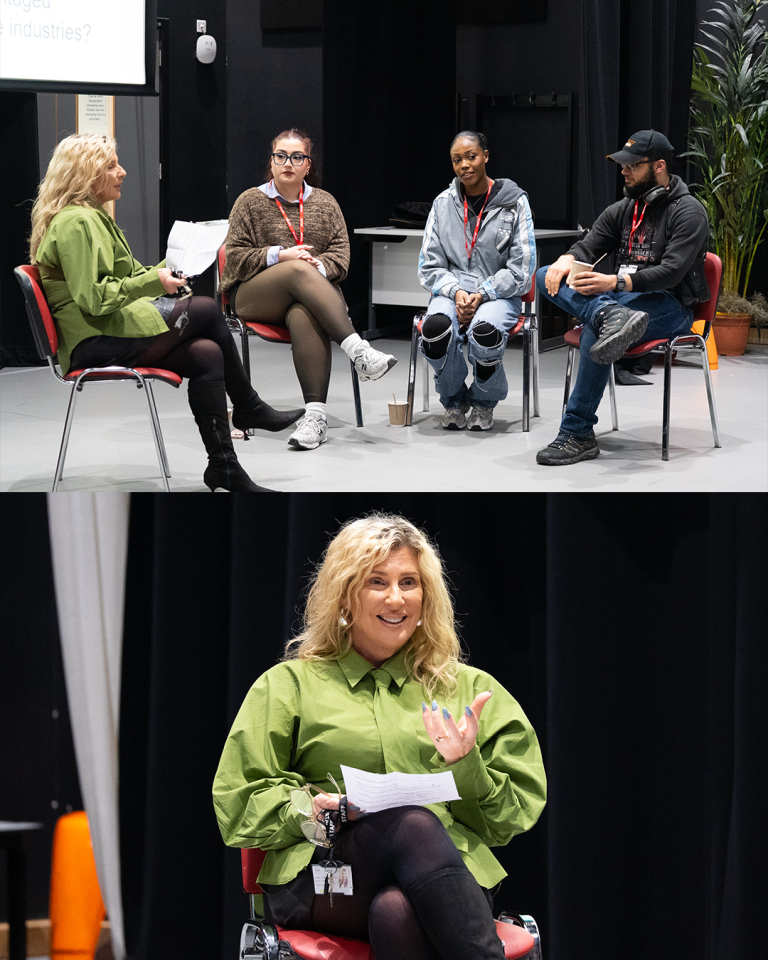
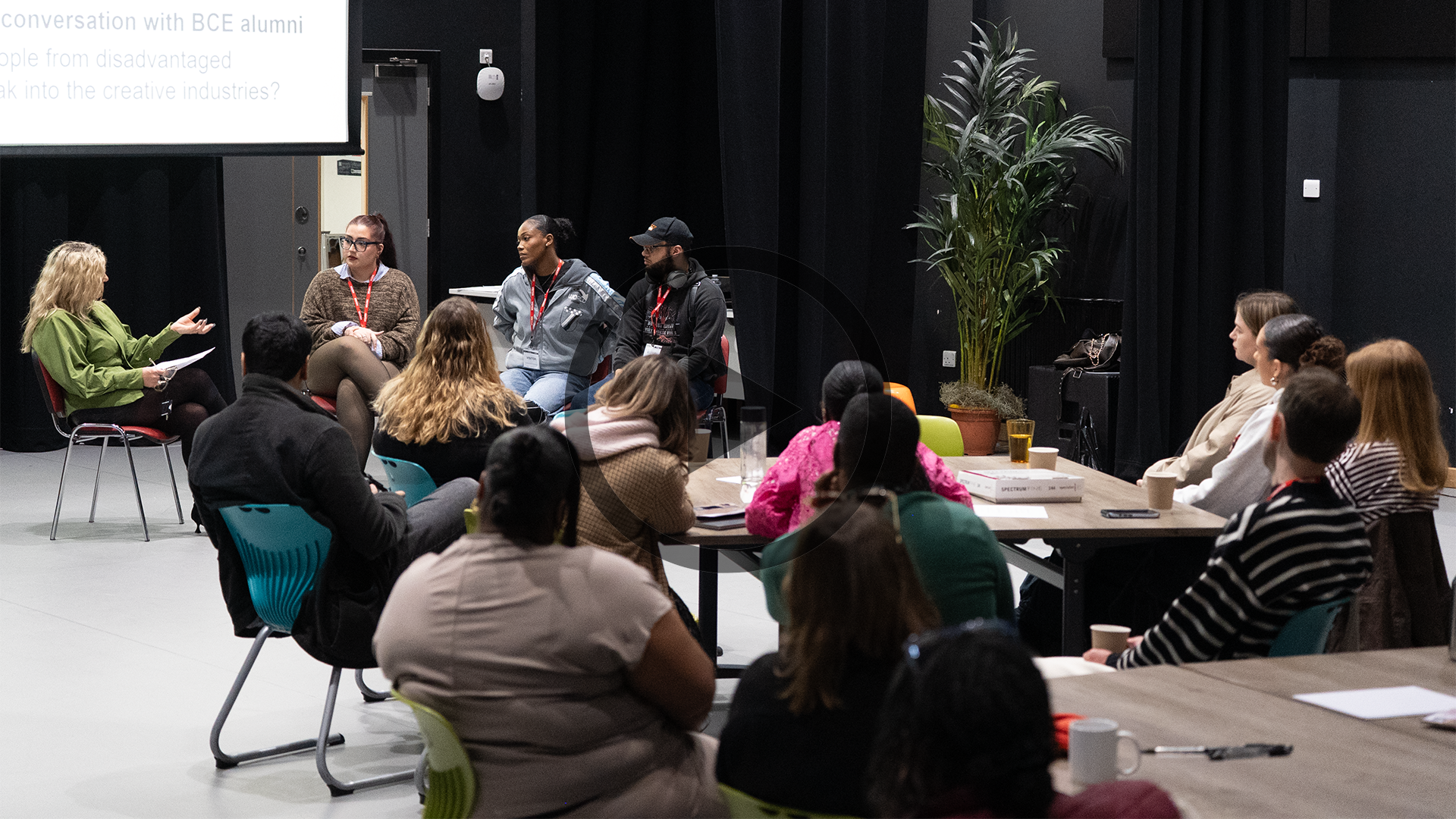
The afternoon opened with an introduction from Principal Sacha Corcoran MBE, who then led a conversation with three BCE alumni – Rozin, Kelis and Daryo. Their reflections were candid, summarising their journeys into the creative industries following their time at the Academy, the challenges of navigating early career pathways, and the moments where they felt their skills were strong or, in some cases, lacking.
Taking into account the latest Local Skills Improvement Plan and GLA Inclusive Talent Strategy, together employers and staff explored a series of core questions about the future of creative education. Such as:
- Are the courses we are running correct for industry and filling skills gaps within visual arts?
- Are curriculum briefs written to bring out learners’ soft skills, and are we including enough digital and AI elements?
- How can students make their learning recognisable and meaningful to an employer through portfolios and CVs?
These questions opened up a conversation about what young creatives need in order to thrive. One recurring theme was the importance of helping students understand the full breadth of roles within the creative industries. Many young people arrive with a narrow sense of what jobs exist or feel pressured to decide their future at 16. Employers stressed the value of exposing students to roles they may never have considered and giving them the freedom to experiment. Career paths rarely follow a straight line.
Another key learning centred on portfolios. Alumni noted that work produced in education is sometimes dismissed as “school work” rather than real-world experience. This is precisely why BCE’s relationships with industry partners matter so much. Industry-led projects, live briefs and external collaborations give students the chance to build portfolios that feel authentic and employer-ready.
A strong theme running through the discussion was the need to ground creative education in the realities of working life. Employers highlighted the importance of core skills such as numeracy, English and confident communication, which surface in almost every role regardless of discipline. They also spoke about the value of clear pathways into the industry, particularly apprenticeships, noting that many young people still feel pressured to pursue university even when hands-on experience is what employers most want to see. BCE’s continued investment in industry-level equipment was praised for giving students a head start, allowing them to step into workplaces with practical confidence. Above all, employers emphasised that passion and curiosity often matter just as much as qualifications, and that students should be encouraged to explore a wide range of roles rather than feeling locked into a single direction from the age of sixteen.
By the end of the afternoon, a clear set of takeaways had emerged:
- Increasing hands-on activity across courses
- Expanding exposure to lesser-known roles
- Strengthening digital and AI literacy
- A continued focus on building meaningful industry partnerships
The afternoon closed with a final discussion on how industry and education can move closer together, especially when it comes to employing 18-year-olds and helping them get noticed.
Sarah Jane Goode from Local London said: “The event is such a strong example of BM4 in action and a great model for connecting employers with curriculum. Our table had so many useful discussions, and I can only imagine how rich the combined insights from all the groups will be.”
Emma Richards from URBN said: “Thank you for having us! It was good to hear from your past students and from the other industry members and really great to see the investment you have in providing students with the best skills for success. Excited for what’s to come!”
All in all, it was an extremely insightful event, and we thank all our employer partners that contributed to the steering group. Their insight continues to shape the future of creative education at BCE.