

Are you passionate about games and interested in designing your own? If you wish to become a game designer, it can be fun, creative and a highly rewarding career where you get to bring your creative vision to life for everyone to enjoy.
Today, everybody wants to become one. So if you want to join the competitive industry, you need to be prepared to work hard and put yourself above the rest. In this step-by-step guide, we’ll cover everything you need to know to start your journey to become a game designer.
Understanding the role of a game designer
The first step to you need to take to become a game designer is to understand what the role actually is in the first place. Simply put, a game designer is responsible for creating the overall concept, mechanics and gameplay of a video game.
They work closely with other members of the development team, such as programmers and artists, to make their concept and vision a reality. The role of a game designer goes beyond just creating a game. They are also responsible for ensuring that it is engaging and enjoyable for players – this is arguably the most important goal.
To reach that goal, designers need to understand the target audience and adapt the game to meet their needs and expectations. A game designer must also consider market trends and competition to create a game that stands out and offers something unique. Things like VR and binaural sound are becoming popular and innovative features.
Key responsibilities of a game designer
A game designer’s main responsibility is to design and develop the core mechanics and features of a video game. This can involve creating the game world, characters and storylines, as well as designing elements such as controls, user interface and game balancing.
Another key role is to work closely with the development team meaning good planning and communication are crucial. Working together, the game is refined and tested to ensure that all criteria are being met for the vision and is ultimately enjoyable for the players.
For the majority of games, an important factor is that it is accessible to a wide range of playing. This means things like difficulty and user experience have to be highly considered. This includes ensuring the game also runs smoothly on the different platforms available.
Some games on the other hand like to niche their audience. Read more here on the Top 10 Hardest Video Games ranked.
Skills required to become a game designer
In order to become a game designer, it requires a person to have a range of skills and abilities. Understanding game mechanics and design principles is key, as well as strong analytical skills and the ability to think creatively.
It’s also important to have good communication and teamwork skills. This is because you will need to work with other members of the development team and explain your ideas clearly.
Educational pathways to become a game designer
There are several educational pathways you can take to become a game designer, depending on your interests and career goals. If you are unsure about this option, take a look at our blog on The Benefits of Studying Games Design Here are some of the most popular options:
Formal education options
Many universities and colleges offer degree programs and apprenticeships in game design or a related field. These programs typically provide a comprehensive education in game design principles. They also offer opportunities to gain hands-on experience through projects and internships.
During your studies, you’ll learn about game mechanics, level design, character design and storytelling. You’ll also learn about the technical aspects of game development, such as programming languages, game engines and graphics software.
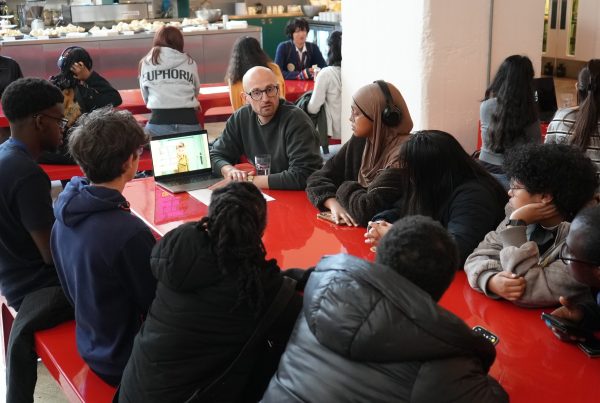
If you are interested in going down the formal education route, then Big Creative Education (BCE) offers Game Design courses that will help kickstart your career. The course will equip you with the skills you need to break into the game design industry. Bring your ideas to life while learning concept art, 2D & 3D design, audio design and more at BCE’s cutting-edge Digital Future Campus.
Online courses and certifications

Many of these courses also offer certifications once completed. This will add value to your CV and show your expertise to potential employers.
Self-learning and building a portfolio
Ultimately, the most important thing is your portfolio. Even if you don’t have a formal education in game design, you can still develop your skills by creating your own games and building a portfolio that showcases your work.
There are a lot of different game engines out there that are free or at least affordable to get you going. If you are struggling to choose which engine to use, take a look at our blog on The Best Game Design Software for Creating Your Own Video Games.
Most of the engines available provide a powerful platform for creating games. A wide range of tutorials and resources are also available to help you get started.
Remember, to become a game designer means entering a competitive field and it takes hard work and dedication to succeed. But with the right education, skills and portfolio, you can turn your passion for games into a rewarding career.
Gaining experience in the gaming industry
Getting experience in the gaming industry can be challenging, but it’s essential if you want to build a successful career. Sometimes it might feel like a catch-22 as some companies don’t want to hire without experience. Here are our suggestions on how to overcome that.
Internships and entry-level positions
Many game development companies offer internships or entry-level positions. These can provide you with valuable experience and help you build your skills on the job. These positions typically involve working with more experienced designers and developers to learn the ropes of the industry. You’ll have the opportunity to work on real projects, contribute to the development process and learn from professionals.
Internships and entry-level positions can be really competitive, so it’s important to be prepared. Make sure your CV and portfolio are up to date and be ready to prove your passion for gaming and your willingness to learn.
Networking and joining gaming communities
Networking and building relationships with other professionals in the industry are key to gaining experience and finding job opportunities. Joining online communities, attending gaming events and participating in game jams can all help you build relationships and gain exposure.
But where are these online communities? We suggest exploring Reddit and Discord as they are great places to connect with other gamers and industry professionals. You can ask for advice, share your work and get feedback on your projects as well as take inspiration from others.
Attending gaming events like conferences and conventions is also a great way to meet people and learn about the latest trends. Keep your eyes peeled for gaming festivals such as Insomnia!
Participating in game jams and competitions

Participating in these events can be a great way to get noticed by industry professionals and build your reputation. You’ll have the opportunity to showcase your work, get feedback from other developers and potentially win prizes and recognition.
Building your game design portfolio
Your game design portfolio is one of the most important tools you have when looking for work in the industry. It is a showcase of your creative vision, technical skills and experience as a game designer.
Here are some tips on building a strong portfolio that will help you stand out from the competition.
Selecting your best work
When it comes to building your portfolio, choose quality over quantity. Your portfolio should showcase your best work and highlight your strengths as a game designer. Be selective in what you include and make sure each piece demonstrates your creative vision and technical skills.
When selecting your work, it’s important to consider the context in which it was created. If you worked on a team project, be sure to highlight your specific contributions and responsibilities. If you created a game as part of a game jam or personal project, be sure to include a description of the process and any challenges you faced.
Showcasing a variety of skills and genres
It’s also important to showcase a variety of skills and experience in your portfolio. This can help show your versatility as a designer and make you a more attractive candidate to potential employers. Consider including projects that showcase your skills in areas such as game mechanics, level design, storytelling and user interface design.
Additionally, including a variety of genres in your portfolio can also help demonstrate your versatility. This could be showing games such as puzzle games, platformers, RPGs or first-person shooters.
Creating an online presence
Finally, creating an online presence through social media or a personal website can help you reach a wider audience and make it easier for potential employers to find you. Be sure to share your work and engage with other professionals in the industry to build your reputation and expand your network.
When creating your online presence, consider including a blog or portfolio website where you can showcase your work and share your thoughts on the subject matter. This can help show your passion for the industry and dedication to your craft.
If you need some inspiration on where to get started, check out this article on 13 Game Design Portfolios.
Conclusion
To become a game designer it can be a challenging but rewarding career path. By following these steps and building your skills and experience, you can achieve your dream and produce quality games for all to play.
Remember to check out BCE’s Game Design Course to help kickstart your career in the right direction. So what are you waiting for? Let’s get started!