
How to Start a Career in Performing Arts
Creative Career Pathway: How to Start a Career in Performing Arts
Performing arts brings together acting, dance, movement, voice and storytelling across theatre, film, television and live events. Whether you’re drawn to being on stage, working with ensembles, creating choreography, or supporting productions behind the scenes, there are many ways to build a career in this industry. Most people find their path gradually, experimenting with different roles and developing their skills and confidence along the way.
First Steps: School and GCSE Choices
GCSEs can help you explore your interests and build a strong foundation for creative study. Creative subjects are ideal, but core subjects matter too, especially if you’re interested in technical or production roles as well as performance.
Useful GCSEs include:
- Drama – develops acting skills, confidence, teamwork and an understanding of performance
- Dance – builds movement skills, discipline and creative expression
- Music – useful for musical theatre, rhythm, timing and ensemble work
- Art & Design – helpful for understanding staging, costume and visual storytelling
- English – strengthens communication, script analysis and storytelling
- Business – essential for freelancing, self-promotion and understanding the creative industries
College: Developing Your Performance Skills
College is where many young performers discover their strengths, whether that’s acting, musical theatre, dance or production. You’ll have time, space and equipment to train, rehearse and explore different styles of performance.
Relevant BCE courses include:
- Level 3 Performing Arts
- Level 3 Drama
- Level 2 Performing Arts
Doing a course like this can help you build a showreel or performance portfolio, gain experience on stage, and learn how productions work from rehearsal through to performance.
What Comes Next: University and Apprenticeships
University or drama school isn’t essential, but it can help you specialise and access intensive training. Look for courses with high contact hours, live productions, industry showcases or placement opportunities. An alternative path would be an apprenticeship, ideal for hands‑on learners who want to earn while they train.
Popular university degrees include:
- Acting
- Musical Theatre
- Dance and Choreography
- Theatre Studies
- Performance and Production
- Technical Theatre and Stage Management
- Theatre Design or Production Design
Apprenticeships and structured training might include:
- Theatre Stage Management
- Technical Theatre (lighting, sound, backstage)
- Production Assistant (theatre, TV or film)
- Front of House or Theatre Management apprenticeships
- Creative Venue Technician or Live Event Technician
Building Experience Beyond the Classroom
Performing arts is a practical, experience‑driven industry. Employers and directors want to see your commitment, your ability to work with others, and your willingness to keep learning.
Ways to build experience:
- Join a youth theatre, dance school or community drama group
- Audition for school plays, local productions or short films
- Take part in workshops, summer schools or short courses
- Volunteer with local theatres or arts organisations
- Learn about backstage roles such as stage management, lighting and sound
- Create your own projects with friends—short performances, scratch nights or filmed scenes
Connecting With the Performing Arts Community
Performing arts works on collaboration. Many opportunities come from the people you meet along the way, such as actors, dancers, directors, choreographers, stage managers, tutors and theatre staff.
How to build your network:
- Stay connected with classmates and collaborators
- Set up a LinkedIn profile and keep it updated with your projects
- Attend performances, talks, workshops and open rehearsals
- Join youth arts organisations or theatre schemes
- Look for mentoring programmes or talent development initiatives
- Reach out to local theatres, dance companies or drama schools for opportunities
Starting Your Career: Entry-Level Roles
Entry‑level roles help you understand how the industry works behind the scenes. They’re a great way to learn, build confidence and make contacts, whether you’re performing or supporting productions.
Entry‑level roles might include:
- Actor in youth or fringe theatre productions
- Dancer in community or small‑scale projects
- Choreographer’s assistant
- Theatre stage crew or runner
- Front of house or box office assistant
- Assistant to a theatre director or production team
- Drama workshop assistant or community arts support roles
Useful job and opportunity sites:
- Get Into Theatre
- Creative Access
- Arts Jobs
- Spotlight (for performers)
- Local theatre and arts centre websites
- LinkedIn Jobs
Final Thoughts
Performing arts careers grow through practice, resilience and collaboration. Every rehearsal, every audition, every performance and every backstage shift helps you develop your craft and your confidence.
- Keep creating and keep showing up
- Be reliable
- Be kind
- Be prepared
- Turn up on time
- Reply to messages
- Treat every project with care
Stay open to new ideas, keep learning, and keep performing. Your pathway will grow with you.
Related BCE News
View all
News

Rapper ASTR0 performs original pieces at Listen Out charity event
News
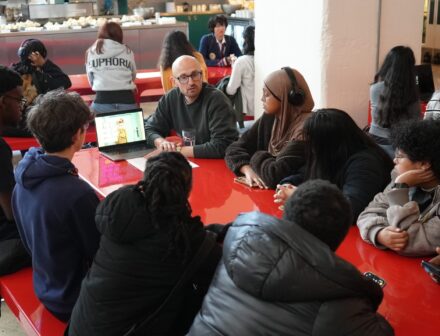
CreativiTEA 2026: How Big Creative Education and Mother Are Opening Doors to the Next Generation of Creative Talent
News