

Course Overview
Turn your passion for gaming into practical creative skills on our Games Design Level 2 course. You’ll learn how games are imagined, designed and developed, exploring everything from character creation and storytelling to level design, 3D modelling and game mechanics.
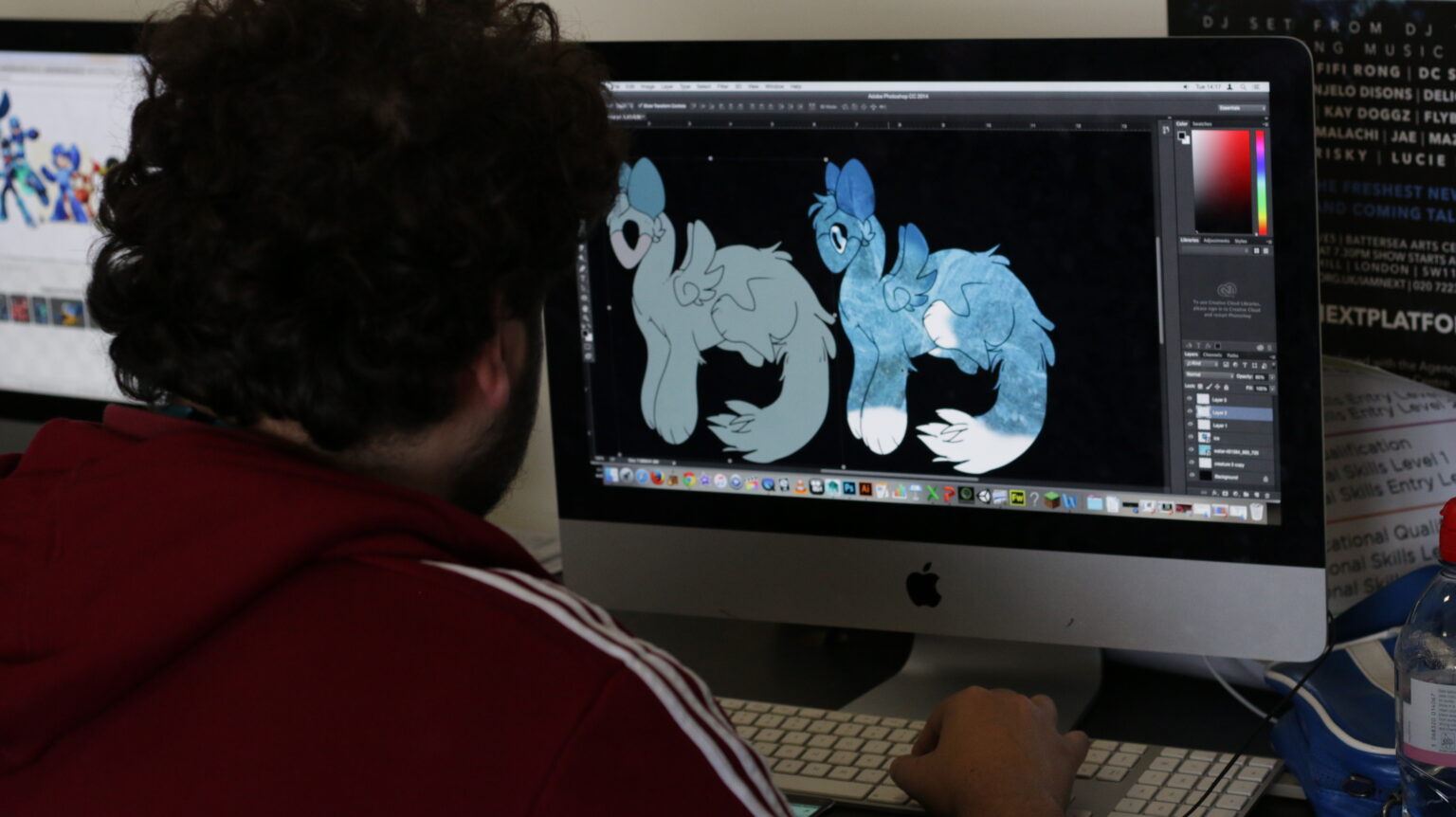
Working in our creative studio environment, you’ll use industry-standard software to create your own playable projects while developing the technical and creative skills needed for further study and careers in the games industry.
Along the way, you’ll gain insight into specialist areas such as game design, animation, visual effects and digital art, supported by experienced tutors and projects inspired by real industry practice.
Whether you dream of designing immersive worlds, creating characters, or bringing game ideas to life, this course will help you build a strong portfolio, grow your confidence and prepare for progression to Level 3 study and future creative careers.
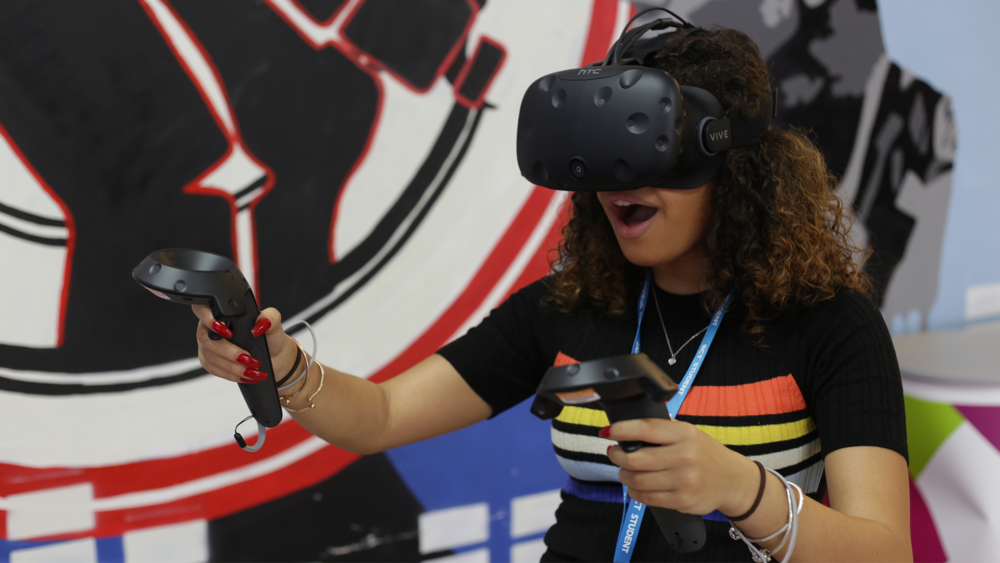
“We don’t just talk about games — we make them. I started the year knowing nothing about engines, and now I’ve designed my own playable map in Unreal.”
Frequently Asked Questions
Yes! This course is completely free for students under 19 on 1st September, or under 25 with an EHCP. All software, hardware, teaching and access to creative tools are fully covered — including use of high-end computers, dual monitors, and industry-standard software.
The course takes you through every stage of the game development process — from concept and planning to design, build and testing. You’ll learn how to:
- Create and pitch original game ideas with fully developed storyboards and gameplay mechanics
- Design and build 3D environments, props and characters using Blender and Unreal Engine
- Animate models and objects using rigging and compositing techniques
- Create visual effects (VFX) and add cinematic features to your game
- Develop user interface (UI) and user experience (UX) designs
- Understand scripting logic and interactivity using game engines like Unity
- Work on real studio-style briefs and group challenges
- Build a complete digital portfolio of your best work including your own playable game demo
You’ll work on game design sprints, level design challenges, and full production projects including character builds, cutscene development and VFX demos. Each student develops a final project where you design and build a game concept from the ground up — pitching your idea, developing assets, and coding gameplay functionality. You’ll also respond to team briefs that simulate working in a real game studio environment.
You’ll be equipped for careers such as:
- Game Designer or Developer
- 3D Modeller or Animator
- VFX Artist or Technical Artist
- Level Designer or Environment Artist
- UI/UX Designer
- Indie Game Creator or Freelance Developer
- Or progression to degrees in Games Art, Games Technology, Animation or Creative Media
This course is built with industry expectations in mind — from the tools you use to the way projects are managed. You’ll take part in game jams, receive live briefs and feedback from studios, and build an online presence as a creative professional. Previous students have worked with or been mentored by professionals from Dog Studios, Gray Gaming, and other UK-based developers.
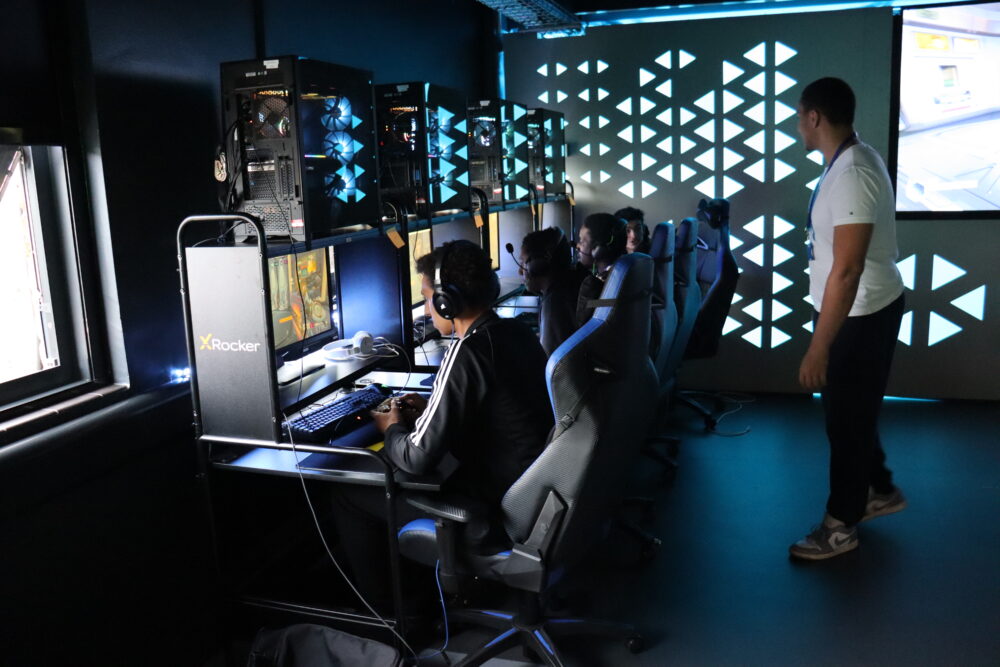
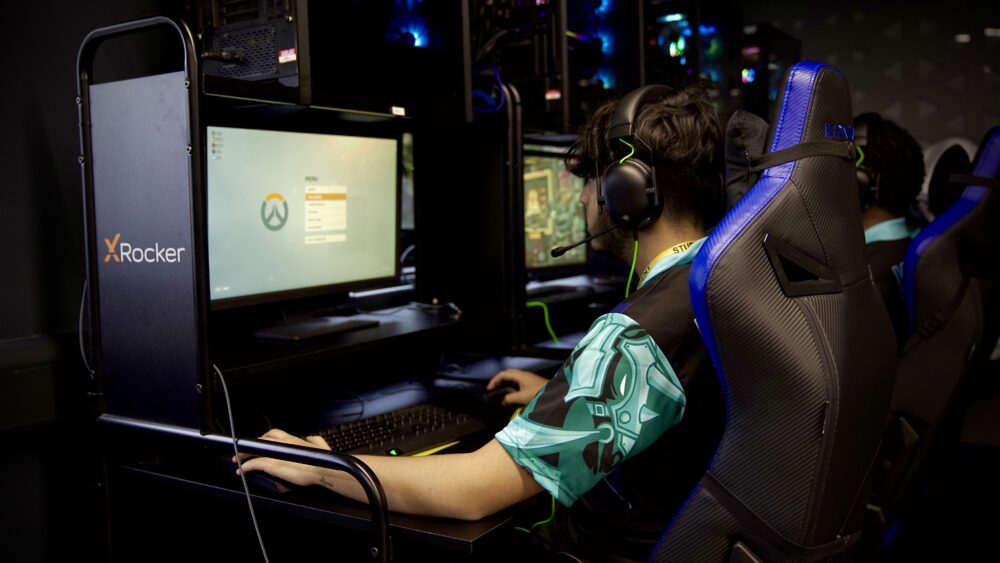
You’ll use high-spec computers with dual monitors and access to Blender, Unreal Engine, Unity, Photoshop, Krita and more. Project spaces are designed to replicate collaborative environments, and students have access to styluses, sound libraries, and animation software used in the games industry.
The Games Design department focuses heavily on wellbeing and confidence-building. You’ll have regular 1:1 tutorials, collaborative peer sessions, and access to structured wellbeing and enrichment workshops. The course also helps develop resilience through creative challenges and confidence through pitch presentations and critiques.
You’ll study 3 days per week including:
- Games design, development and animation workshops
- Collaborative project sessions and critiques
- English or Maths resits if required
- Wellbeing and enrichment workshops
- 3 GCSEs at Grade 3 or above, including English
- Must be under 19 on 1st September, or under 25 with an EHCP
- No coding experience required — just creativity, motivation and a strong interest in how games are made
That’s exactly what this course is for. You’ll be guided through each stage of game creation, even if you’re starting from scratch. By the end of the course, you’ll have built your own game levels, animated characters, and designed game-ready assets — all ready to showcase in your digital portfolio.
What our Students say
The largest creative college in London providing opportunities for over 1,000 students




Industry Collaborations
We work closely with industry partners to ensure our courses reflect the latest trends, technologies and skills employers are looking for.
Through guest speakers, live briefs, industry projects, work experience opportunities and specialist workshops, you’ll gain valuable insight into the creative and digital industries while building the professional skills needed for future success.