How to Start a Career In Graphic Design and Photography
Creative Career Pathway: How to Start a Career in Graphic Design and Photography
Graphic Design and Photography are at the heart of visual communication, shaping branding, advertising, digital content, magazines, social media, packaging and more. If you enjoy creating visuals, telling stories or designing for an audience, there are many ways to enter these fast‑moving industries.
Your First Steps: Schools and GCSE Choices
GCSEs can help you explore your interests and build a strong foundation for creative study.
Useful GCSEs include:
- Art & Design – explore composition, colour and visual research
- Photography – essential for visual storytelling and image-making
- Computer Science – helpful for digital design, animation and creative tech
- English – strengthens communication for presenting ideas
- Business – useful for freelancing and understanding the creative industries
College: Building Your Creative Toolkit
College is where many young designers and photographers develop their technical skills and creative identity. You’ll have time to explore digital design, typography, photography, editing, branding and visual communication.
Big Creative Education offers Graphic Design & Photography courses at multiple levels, allowing students to start where they feel confident and progress upwards.
Relevant BCE courses include:
- Level 2 Art & Design
Courses like this help you build a portfolio, learn using industry‑standard software and explore areas such as branding, illustration, digital design, studio photography and image editing.
What Comes Next: University and Apprenticeships
University can help you specialise, but it isn’t essential. Many designers and photographers build strong careers through apprenticeships, internships and freelance work.
Popular university degrees include:
- Graphic Design
- Photography
- Visual Communication
- Digital Media
- Advertising
- Illustration
- Creative Direction
Apprenticeships include:
- Junior Content Producer
- Digital Marketing Assistant
- Creative Digital Designer
- Photographic Assistant
- Junior Graphic Designer
Building Experience Beyond the Classroom
Your portfolio is your strongest asset. Employers want to see your ideas, your process and your ability to communicate visually.
Ways to build experience:
- Create a portfolio or website
- Share your work on Instagram, TikTok or Behance
- Offer to design posters, logos or social content for local groups, friends and family
- Assist photographers or designers
- Experiment with Adobe Creative Cloud, Procreate or AI design tools
- Take part in workshops, open calls or photography walks
- Collaborate with friends on creative projects
Connecting With the Creative Community
Graphic Design and Photography are collaborative industries. Many opportunities come from the people you meet, including designers, photographers, editors, studio teams and other creatives.
How to build your network:
- Stay connected with classmates and collaborators
- Set up a LinkedIn profile
- Attend exhibitions, talks and workshops
- Join creative collectives or youth arts organisations
- Look for mentoring programmes
- Reach out to local studios or freelancers
Starting Your Career: Entry-Level Roles
Entry‑level roles help you understand how creative work happens behind the scenes. They’re a great way to learn, build confidence and make contacts.
Entry‑level roles include:
- Junior graphic designer
- Studio assistant
- Junior photographer or editor
- Social media assistant
- Creative admin or production assistant
- Digital content creator
- Print technician
Useful job sites
- Creative Access
- Arts Jobs
- Design Week Jobs
- Creativepool
- Prospects
- LinkedIn Jobs
Final Thoughts
Graphic Design and Photography careers grow through experimentation, consistency and collaboration. Every poster, every photoshoot, every edit and every project helps you develop your voice.
- Keep creating
- Be reliable
- Be kind
- Be prepared
- Turn up on time
- Reply to messages
- Treat every project with care
Related BCE News
View all
News
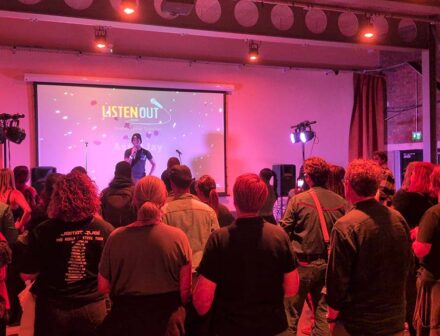
Rapper ASTR0 performs original pieces at Listen Out charity event
News
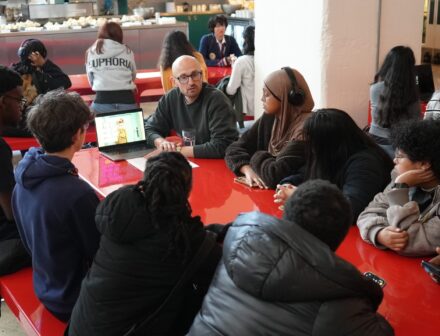
CreativiTEA 2026: How Big Creative Education and Mother Are Opening Doors to the Next Generation of Creative Talent
News